

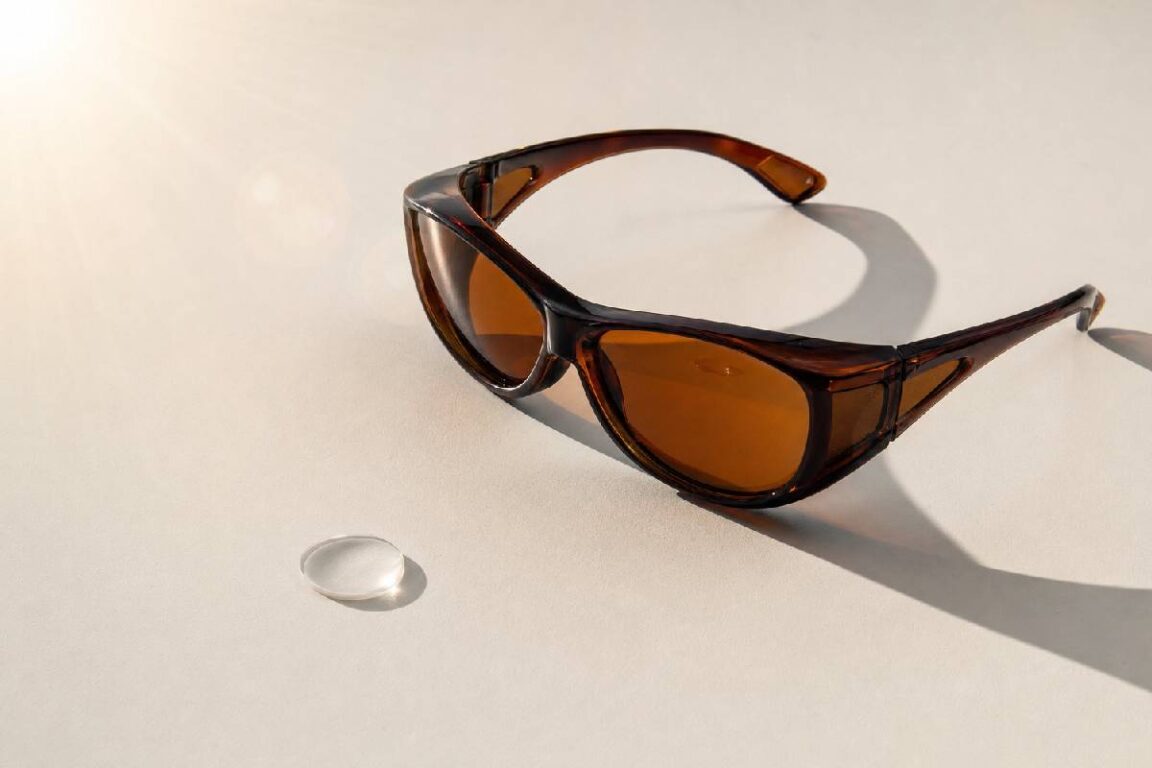
Recovering from cataract surgery frequently involves dealing with heightened glare and sensitivity to light. Many people find everyday visual experiences more intense as their eyes adapt to a new intraocular lens. Practical strategies—including choosing purpose-built sunglasses after cataract surgery and optimizing home lighting—can aid a smoother post-op experience.
Cataract surgery transforms vision by replacing a cloudy natural lens with a clear implant, allowing more direct light to reach the retina. While this clarity is the goal, the shift often creates discomfort from glare, halos, and increased sensitivity. As you return to daily routines, symptoms can complicate outdoor activities, reading, and using screens, so selecting the best sunglasses after cataract surgery is an important part of adapting. Cataract glasses after surgery can also be useful for specific conditions like wind exposure or fast-changing lighting. Paying attention to recovery progress and being aware of unusual symptoms helps ensure your healing process stays on track.
Understanding glare and sensitivity after surgery
Glare and hypersensitivity to light are normal responses in the weeks following cataract surgery. A new intraocular lens transmits more light than the former, clouded lens, leaving the retina and brain to adjust rapidly. Many people report lights appearing brighter, seeing halos around lamps and screens, or feeling overwhelmed by the intensity of sunlight or some indoor bulbs.
This temporary shock to the visual system generally improves over several weeks as neural pathways adapt. It’s common to experience more glare outdoors or under “cool” LEDs and to find night driving or using digital devices unexpectedly uncomfortable. For some people, sunglasses for cataract surgery can reduce the harshness of these bright sources during the adjustment window. If, however, symptoms rapidly worsen or new issues like pain, redness, or visual changes emerge, seek immediate advice from your eye care provider, as these may indicate complications requiring prompt attention.
The degree of light sensitivity experienced can vary significantly depending on the type of intraocular lens implanted and individual healing patterns. Monofocal lenses typically cause less initial glare compared to multifocal or toric lenses, which split incoming light to provide vision at multiple distances. Some patients also notice increased contrast sensitivity, where the difference between light and dark areas becomes more pronounced, contributing to visual discomfort in high-contrast environments such as brightly lit shops or sunny outdoor spaces. In these situations, post cataract sunglasses may help soften extremes while your vision stabilizes. Understanding that these sensations are part of the neuroadaptation process can provide reassurance during the initial recovery weeks.
Environmental factors can significantly influence the intensity of glare symptoms during recovery. Seasonal variations, geographic location, and daily weather patterns all play a role in how much light exposure you encounter. Patients recovering during summer months or living in regions with intense sunlight may experience more pronounced sensitivity compared to those in cloudier climates. Additionally, the time of day matters considerably—midday sun produces more direct, intense rays that can be particularly challenging, while early morning or late afternoon light tends to be gentler on healing eyes. Being mindful of these variables allows you to plan activities strategically and take appropriate protective measures when venturing outdoors during peak brightness hours.
Adapting your environment and routines for comfort
Small changes to your everyday environment can make a substantial difference during the sensitive recovery period. Indoors, using warm-toned or dimmable lights can soften harsh bright spots, and positioning lamps behind you prevents direct exposure. Glossy countertops, tiled floors, or high-brightness electronic screens all tend to exaggerate glare, so matte finishes and night modes are beneficial adaptations.
Following the “20-20-20” rule—taking regular breaks from screens—helps alleviate eyestrain. For tasks like reading or detailed work, indirect lighting and well-placed lamps can reduce visual stress. Outdoors, light can be particularly intense, especially near reflective surfaces like water, snow, or concrete. Planning errands around milder sunlight hours and using shading—such as wide-brimmed hats—can offer valuable relief. Many patients pair these habits with sunglasses after cataract surgery to stay comfortable during short trips and longer walks.
Consider adjusting window treatments to control natural light entering your living spaces. Sheer curtains, blinds with adjustable slats, or light-filtering shades allow you to modulate brightness throughout the day without completely blocking beneficial daylight. When driving becomes necessary again after medical clearance, keep your vehicle’s interior surfaces clean to minimize reflective glare from the dashboard, and use the sun visor strategically. Many patients find that gradually reintroducing challenging visual activities—rather than avoiding them entirely—helps accelerate adaptation, though always within the boundaries of comfort and medical guidance.
Selecting protective eyewear after cataract surgery
Protective eyewear is recommended by eye care professionals as a mainstay of cataract surgery recovery. Wraparound sunglasses, especially those offering side and top coverage, help block stray light and reduce photic stress. Opting for sunglasses with proper tint and full UV protection, designed specifically for post-surgical needs, is not about style but about maximizing eye safety and comfort at a vulnerable time. When choosing cataract glasses after surgery, prioritize coverage, clarity, and comfortable fit over cosmetic trends.
Brands like NOIR Insight design post cataract sunglasses with enhanced shielding to minimize glare and support delicate healing. High-quality eyewear should fit comfortably, cover gaps at the sides and above, and meet clinical standards for light filtration. If your clinician recommends sunglasses for cataract surgery, follow the guidance on when to wear them and how dark the tint should be. Using these glasses both outdoors and indoors, as advised, plays a vital part in lessening discomfort and supporting ongoing visual adaptation after surgery.
Ongoing care and staying vigilant during recovery
Effective cataract recovery combines symptom management with attentive self-care. Lubricating drops prescribed by your doctor can ease dryness, which often intensifies light sensitivity. Consistent use of anti-inflammatory medications and regular follow-up visits support both healing and early detection of any complications. In bright settings, post cataract sunglasses can provide an extra layer of day-to-day comfort without replacing medical treatment.
Maintaining awareness of persistent or worsening sensitivity, new vision disturbances, or other sudden changes ensures any problem can be rapidly addressed with your ophthalmologist. By combining adaptive environmental strategies and the deliberate choice of cataract glasses after surgery, you can achieve greater comfort and confidence as your eyes adjust to their new clarity.