

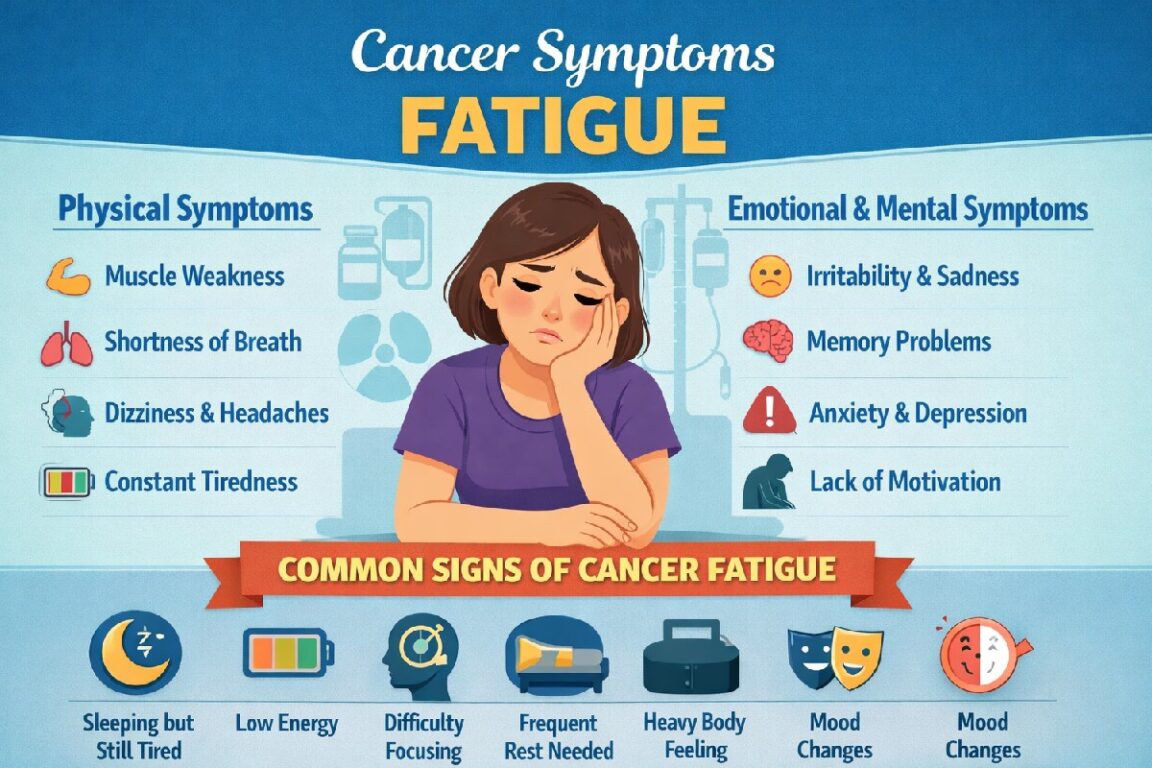
Cancer Symptoms Fatigue as an Warning Sign, Cancer is a formidable enemy, and it takes many forms. While the cancer treatments are improving, early detection is still crucial. So getting to know the early warning signs of many types of cancer can help catch it before it becomes severe.
One common symptom of cancer – and one that often gets overlooked – is fatigue. It is a feeling of extreme exhaustion that persists through typical periods of rest or sleep. It’s the kind of exhaustion that can’t treatment by a weekend away or an extra cup of coffee in the morning.
What is Cancer?
Cancer is a group of diseases in which abnormal cells grow uncontrollably and spread to other parts of the body. These cells can form lumps called tumors, damage nearby tissues, and interfere with the normal functioning of organs. Cancer can develop in almost any part of the body and may spread through the blood or lymphatic system.
What is Cancer-Related Fatigue?
Cancer-related fatigue (CRF) is a common condition experienced by people with cancer. It is a persistent feeling of extreme tiredness, weakness, or lack of energy that is related to cancer or its treatment. Unlike normal fatigue, it does not improve much with rest or sleep.
CRF can occur during cancer treatment or even after treatment has finished.
Causes of Cancer-Related Fatigue
| Cause | Description |
| Cancer itself | The disease can affect the body’s energy and metabolism. |
| Chemotherapy | Cancer drugs can reduce energy levels and affect healthy cells. |
| Radiation therapy | May cause physical exhaustion over time. |
| Anemia | Low red blood cell levels reduce oxygen supply to tissues. |
| Pain or medications | Pain and certain drugs can increase tiredness. |
| Stress and emotional factors | Anxiety, depression, or fear about illness. |
| Poor nutrition | Lack of proper nutrients can reduce energy. |
What is the Biggest Indicator of Cancer?
There is no single definitive indicator of Cancer, but the most important warning sign is persistent, mysterious changes in the body that do not improve over time. These may include unusual lumps, long-lasting fatigue, unexplained weight loss, persistent pain, changes in bowel or bladder habits, abnormal bleeding, or sores that do not heal.
Such ongoing symptoms often signal that something abnormal is happening in the body and should be assessed by a medical professional to facilitate early detection.
Understanding Cancer-Related Fatigue
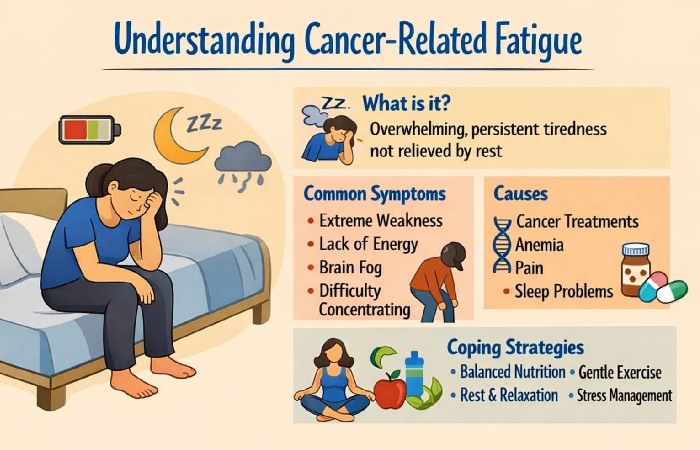
Cancer-related fatigue is a tenacious feeling of extreme physical, mental, and emotional weariness that does not recover with rest or sleep. It usually affects people diagnosed with Cancer and may occur due to the illness itself or its actions.
| Aspect | Description |
| Meaning | A long-lasting and overwhelming sense of exhaustion |
| Main Cause | Cancer disease and its treatments |
| Common Treatments Linked | Chemotherapy, Radiation Therapy |
| Affects | Body strength, mood, focus, and daily activities |
| Relief | Not fully relieved by sleep or rest |
| Duration | Can last weeks, months, or during treatment cycles. |
How Does Cancer Start?
Cancer starts when changes (mutations) occur in the DNA of normal cells. These genetic changes disrupt the cell’s normal growth control system, causing cells to grow and divide uncontrollably rather than die.
Over time, these abnormal cells accrue, form tumors, and may spread to other parts of the body through the blood or lymphatic system. Issues such as smoking, radiation contact, harmful chemicals, contagions, inherited genetic mutations, and corrupt lifestyle habits can increase the risk of these DNA changes.
Persistent and Unexplained Fatigue
When it comes to cancer symptoms, fatigue is one of the most common and overlooked warning signs. It’s the type of fatigue that persists, even after rest or sleep, and partners with general body aches and pains. But while cancer-related fatigue may be unexplainable at first, knowing the cause can help you prepare for your doctor’s appointment and give you the best chance of getting ahead of any potential health issues.
If you experience persistent and unexplained fatigue, there are a few other things to look out for associated with cancer. These include:
- A lump or area of thickening that fell under the skin
- Weight changes, such as unintended weight loss or gain
- Skin reactions such as yellowing, darkening or redness of the skin, sores that won’t heal or changes to existing moles
- Changes in bowel or bladder habits
- Persistent cough or difficulty breathing
By recognizing potential symptoms early on and scheduling an appointment with your doctor. You’ll have a better chance of treating any underlying medical conditions before they become more serious.
Unexplained Lumps or Thickening of the Skin
If you experience a lump or an area of thickening that feels under your skin, this could be a symptom of cancer. It is especially true if the swelling or thickening has developed relatively quickly, and you can’t identify the cause.
It’s important to note that not all lumps or areas of thickening are necessarily a sign of cancer, so it’s best to get them checked out by your med, just in case. Some other common symptoms of cancer may include weight changes, skin changes, changes in bowel or bladder habits, persistent cough or trouble breathing.
If you are experiencing any lumps or thickening of the skin with other symptoms listed, it’s crucial to reach out to your doctor and have it checked out for peace of mind. Your doctor will advise on what your next steps should be in terms of further testing and diagnosis.
Causes of Fatigue in Cancer Patients
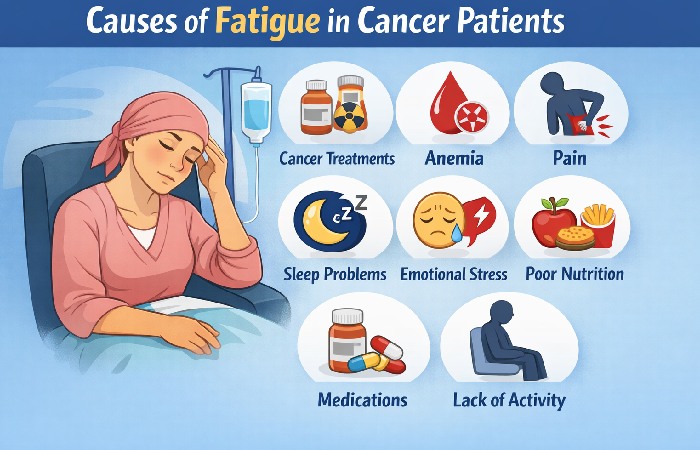
Fatigue in people with Cancer is caused by a combination of the disease’s effects on the body and the side effects of medical treatments. It results from energy depletion, reduced red blood cells, emotional stress, poor nutrition, and the body working harder to repair damaged tissues.
| Cause | Description |
| Cancer Treatments | Treatments like Chemotherapy and Radiation Therapy can damage healthy cells, leading to tiredness. |
| Anemia | A low red blood cell count reduces the oxygen supply to body tissues. |
| Pain | Ongoing pain drains physical and mental energy. |
| Emotional Stress | Anxiety, depression, and fear weaken mental strength. |
| Poor Nutrition | A lack of essential nutrients reduces energy production. |
| Sleep Problems | Insomnia and disturbed sleep prevent proper recovery. |
| Medications | Strong medicines may cause drowsiness and weakness. |
| Infection | The body uses extra energy to fight infections. |
| Hormonal Changes | Cancer can disrupt hormone balance, affecting energy levels. |
Early Signs of Cancer Fatigue
Early cancer-related fatigue is a persistent feeling of unusual tiredness that appears even after adequate rest and gradually affects daily activities. Individuals with Cancer commonly experience it and may develop before or during treatment.
Feeling tired even after a full night’s sleep
Lack of energy to perform routine tasks
Frequent need to rest during the day
Muscle weakness and heavy body sensation
Difficulty concentrating or remembering things
Feeling sleepy or drowsy throughout the day
Reduced motivation and interest in activities
Mood changes such as irritability or sadness
Shortness of breath after minor physical activity
How Cancer Fatigue Affects Daily Life?
Cancer-related fatigue can significantly affect a person’s everyday life. It makes normal activities more difficult because the person feels extremely tired, weak, and low in energy most of the time.
Effects on Daily Activities
| Area of Life | How It Affects |
| Physical Activities | Simple tasks like walking, cooking, or cleaning may feel exhausting. |
| Work or Study | Difficulty focusing, remembering information, or completing tasks. |
| Sleep | Even after sleeping or resting, the person may still feel tired. |
| Emotional Health | May cause frustration, stress, anxiety, or depression. |
| Social Life | People may avoid social activities because they feel too tired. |
| Exercise | Reduced strength and stamina make physical activity harder. |
Unexplained Weight Changes Cancer Symptoms Fatigue
Unexplained weight changes can also be a symptom of cancer. While some weight changes may result from standard dieting, regular exercise, or lifestyle changes. It’s always best to take note if these changes seem sudden and dramatic. If you experience an unexplained loss or gain in weight over a series of weeks or months, it might make sense to get a physical checkup to see if something more serious is going on. You could have an underlying health condition, such as cancer, behind your weight change.
If you’re losing lots of weight with no explanation, it can signal any number of different cancers. Some cancers that cause weight loss are:
- Pancreatic cancer
- Lung cancer
- Colorectal cancer
- Esophageal cancer
- Stomach cancer
- Ovarian cancer
- Liver cancer
- Cervical cancer.
If you see any noticeable gain in your overall body weight without trying for it—say, around the tummy area—that could signal the presence of certain types of tumours in your body. If you ever notice any sudden and unexplained changes in your body weight. Regardless of whether it’s gain or loss—it would be wise to get your health checked out by a medical professional.
Difference Between Normal Tiredness and Cancer Fatigue
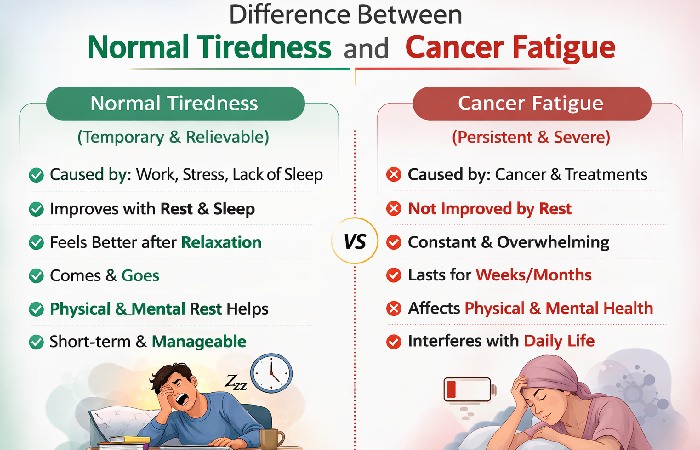
Normal tiredness is a provisional feeling of low energy that typically occurs after physical activity, mental strain, or lack of sleep and improves with proper rest. In contrast, exhaustion linked to Cancer is more intense, long-lasting, and not fully reassured by sleep, often affecting daily activities and overall quality of life.
| Basis | Normal Tiredness | Cancer-Related Fatigue |
| Cause | Physical work, stress, and poor sleep | Cancer and its treatments |
| Duration | Short-term | Long-lasting and persistent |
| Relief | Improves with rest and sleep | Not fully relieved by rest |
| Severity | Mild to moderate | Reasonable to severe |
| Impact on Activities | A person can continue routine work | Daily tasks become difficult |
| Mental Effect | Provisional lack of focus | Ongoing attentiveness and memory problems |
| Physical Strength | Slightly reduced | Meaningfully reduced strength and stamina |
| Need for Medical Care | Usually not obligatory | Often needs medical support |
Skin Changes or New Moles
It’s important to remember that fatigue is just one of many symptoms to look out for. Another symptom—a physical one—is any changes in your skin. This includes changes in color or size—for example, it could be bigger, darker or have changed shape or color. You may also see yellowing, darkening or redness of the skin, sores that won’t heal, or changes to existing moles. If you notice a new mole or if an existing mole on your body has changed, it could be an early warning sign of cancer.
Skin changes can indicate an underlying medical issue and dis-miss as nothing more than a blemish. If you see any of these physical signs on your skin, make sure you speak to your healthcare professional immediately. After all, early detection is the best protection against cancer and other serious diseases.
Physical Symptoms Associated with Cancer Fatigue
Physical symptoms of fatigue in people with Cancer refer to the bodily effects of extreme and persistent tiredness that reduce strength, stamina, and the ability to perform routine activities.
Physical Symptoms
Constant tiredness and low energy levels
Muscle weakness and reduced body strength
Heavy or sluggish body drive
Frequent need to rest or lie down
Smallness of breath during mild activity
Headaches and body aches
Slow reaction and reduced physical performance
Dizziness or feeling lightheaded
Disturbed sleep despite feeling exhausted.
Emotional and Mental Effects of Cancer Fatigue
Fatigue related to Cancer not only affects the body but also impacts emotional balance and mental functioning. Persistent tiredness can reduce concentration, affect mood constancy, and make coping with daily life more difficult.
Emotional and Mental Effects of Cancer Fatigue
| Effect Type | Description |
| Mood Swings | Frequent emotional changes, such as irritability and sadness |
| Anxiety | Constant worry about health and treatment outcomes |
| Depression | Feelings of hopelessness, low mood, and loss of interest |
| Poor Concentration | Difficulty focusing on tasks or chats |
| Memory Problems | Trouble retaining information or details |
| Mental Exhaustion | Feeling mentally drained even without physical work |
| Low Motivation | Reduced attention in social or daily activities |
| Frustration | Irritation due to lack of energy and productivity |
| Social Withdrawal | Avoiding communication due to mental and expressive fatigue. |
Stages and Severity of Cancer-Related Fatigue
Fatigue associated with Cancer can vary from mild weariness to extreme exhaustion, depending on the stage of the disease, treatment intensity, and the patient’s overall health. It may develop slowly and become more plain over time, affecting physical strength, expressive balance, and mental focus.
Levels of Severity
Mild Fatigue
Slight tiredness that allows a person to continue daily activities with short rest breaks.
Moderate Fatigue
Noticeable lack of energy that makes routine tasks difficult and increases the need for frequent rest.
Severe Fatigue
Extreme exhaustion that limits basic activities such as walking, eating, or speaking for long periods.
Chronic Fatigue
Long-lasting fatigue that lasts even after treatment and may persist for months or years.
Fatigue During Cancer Treatment in India 2026
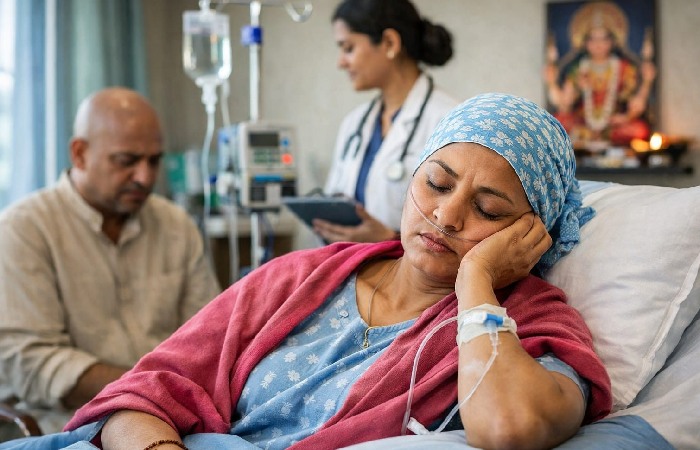
Fatigue during cancer treatment is an intense and tenacious sense of exhaustion experienced by many persons with Cancer in India as they undergo therapies such as Chemotherapy and Radiation Treatment. This fatigue goes beyond normal tiredness, is not fully reassured by rest, and often affects quality of life and daily functioning throughout the treatment journey.
| Aspect | Description |
| Who Experiences It | Most people undergoing cancer treatment in India report fatigue, particularly those receiving chemotherapy or radiation. |
| When It Happens | Fatigue can start before treatment, increase during treatment, and sometimes persist even after treatment ends. |
| Causes | Side effects of actions, anemia from low red blood cells, poor nutrition, emotional stress, sleep problems, and the body’s response to cancer itself. |
| Severity | It can range from mild tiredness to severe exhaustion that limits daily activities and individuality. |
| Impact | Affects physical strength, mental focus, mood, and ability to carry out daily tasks such as walking, work, and household chores. |
| Management | Includes rest planning, stable nutrition, moderate activity, expressive support, symptom tracking, and medical care. |
Prices In India, the UK, the USA, And London (2020-2026) of Treatments for Cancer-Related Fatigue
| Treatment / Region | India (USD) | UK (USD) | USA (USD) | London (UK) (USD) |
| Chemotherapy (per cycle) | $120 – $1,200+ | $500 – $30,000+ | $4,000 – $22,000+ | $500 – $30,000+ |
| Radiation Therapy (full course) | $1,000 – $12,000+ | $15,000 – $35,000+ | $17,000 – $40,000+ | $20,000 – $35,000+ |
| Immunotherapy (per cycle) | $1,800 – $8,000+ | $8,000 – $25,000+ | $50,000 – $120,000+ | $8,000 – $25,000+ |
| Targeted Therapy (full course) | $4,000 – $24,000+ | $15,000 – $50,000+ | $20,000 – $60,000+ | $15,000 – $50,000+ |
Changes in Bowel or Bladder Habits Cancer Symptoms Fatigue
You might not think of changes in bowel or bladder habits when you think of early cancer symptoms, but they are signs that your body might be trying to tell you something so pay attention.
For example, if you’re going to the bathroom much more often than usual, that could be a sign of an underlying medical condition like cancer. Similarly, blood in your stool or constipation that won’t budge with any intervention can be a sign that something’s going on. It’s always best to check with your doctor if you’re experiencing anything out of the ordinary.
If you’re experiencing changes in bowel or bladder habits, some other symptoms to look out for include:
- Lump or area of thickening feels under the skin.
- Weight changes, including unexpected loss or gain.
- Skin changes like darkening or redness of the skin.
- Sores that won’t heal or change to existing moles.
- Persistent cough or trouble breathing.
Conclusion
Cancer is a serious health condition that occurs when abnormal cells grow irrepressibly and disrupt normal organ function. Recognizing symptoms such as persistent fatigue, unexplained weight fluctuations, and unusual pain can help in early detection and timely medical care. Consciousness, regular health examinations, and a healthy lifestyle play an important role in deterrence and effective management.