

Diabetes is a chronic health condition in which the body is unable to regulate blood sugar (glucose) levels properly. This happens either because the pancreas does not produce enough insulin or because the body’s cells cannot efficiently use the insulin produced. Over time, unrestrained blood sugar can lead to serious complications affecting the heart, kidneys, eyes, nerves, and other organs.
What Causes Diabetes?
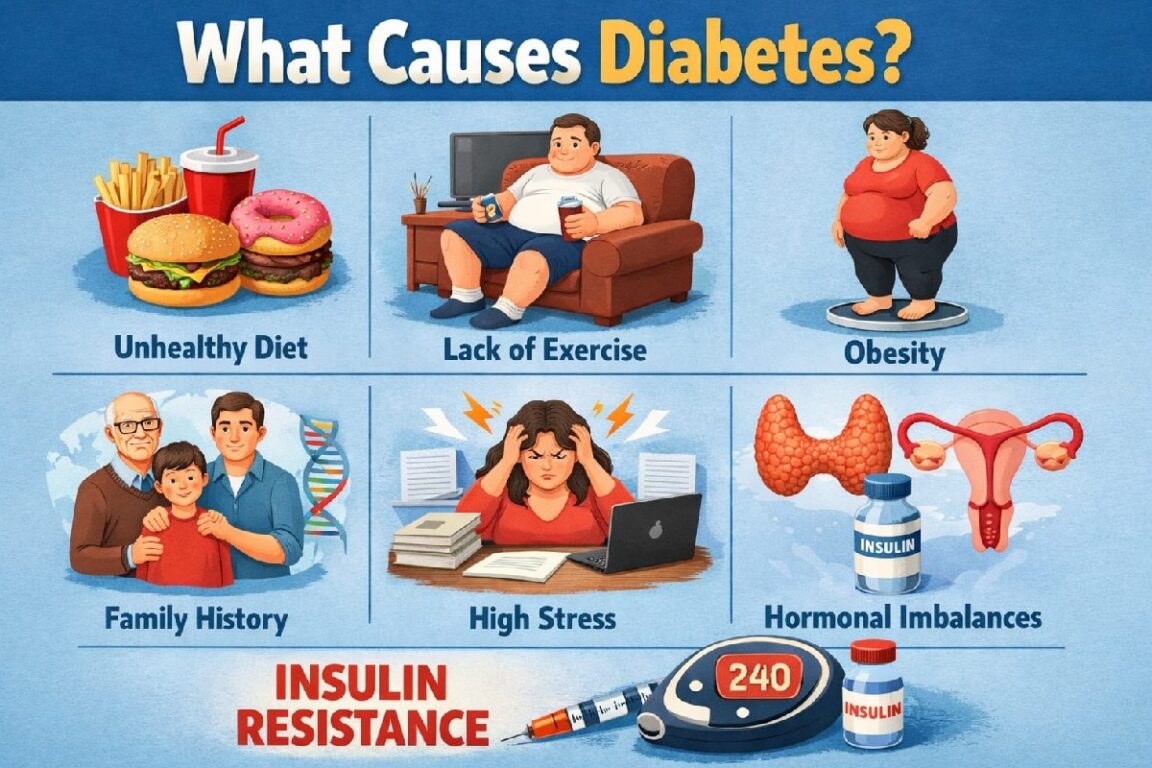
Diabetes is caused by the body’s inability to properly produce or use insulin, a hormone that regulates blood sugar. Numerous factors contribute to this condition, including genetics, lifestyle, and other health issues. Common causes include:
Type 1 Diabetes: The immune system attacks insulin-producing cells in the pancreas.
Type 2 Diabetes: The body becomes resistant to insulin or doesn’t produce enough.
Gestational Diabetes: Hormonal changes during pregnancy affect insulin use.
Genetic Factors: Family history can increase susceptibility.
Lifestyle Factors: Poor diet, obesity, and physical idleness contribute significantly.
Other Health Conditions: High blood pressure, high cholesterol, or metabolic syndrome can increase risk.
Foods Diabetics Should Avoid
People with diabetes need to manage their blood sugar levels carefully, and diet plays a crucial role. Certain foods can cause rapid spikes in blood sugar or contribute to insulin resistance, making diabetes harder to control. Avoiding or limiting these foods helps maintain stable glucose levels and supports overall health.
| Food Category | Examples | Reason to Avoid |
| Sugary Foods & Drinks | Soda, candy, desserts, sweetened juices | Cause rapid blood sugar spikes |
| Refined Carbohydrates | White bread, white rice, pastries | Quickly raises glucose levels; low nutritional value |
| Trans Fats | Packaged snacks, fried fast foods | Increase insulin resistance and heart disease risk |
| Processed Meats | Sausages, hot dogs, bacon | Linked to higher diabetes and heart disease risk |
| Full-Fat Dairy | Whole milk, full-fat cheese | Can raise cholesterol and insulin resistance |
| Alcohol | Beer, sweet cocktails | Can cause blood sugar fluctuations and liver strain |
| High-Sodium Foods | Canned soups, chips, frozen meals | May worsen blood pressure, a common diabetes complication |
What are the Symptoms of Diabetes?

Diabetes often develops gradually, and symptoms may vary depending on the type and severity. Recognizing the signs early can help with timely diagnosis and management. Common symptoms include:
Frequent urination (polyuria): Excess sugar in the blood leads to increased urine production.
Excessive thirst (polydipsia): Loss of fluids through frequent urination causes constant thirst.
Unexplained weight loss: Despite normal or increased appetite, the body may break down muscle and fat for energy.
Extreme hunger (polyphagia): Cells don’t get enough glucose, triggering increased appetite.
Fatigue: Insufficient glucose in cells leads to constant tiredness.
Blurred vision: High blood sugar can cause fluid shifts in the eyes, leading to blurred vision.
Slow-healing sores or frequent infections: High glucose levels impair immune response and healing.
Tingling or numbness in hands or feet: Nerve damage (neuropathy) can occur over time.
What are the Complications of Diabetes?
Diabetes, if not well managed, can lead to serious long-term health problems affecting various organs and systems in the body. High blood sugar over time can damage blood vessels, nerves, and organs, increasing the risk of life-threatening conditions. Managing blood sugar, blood pressure, and cholesterol is crucial to prevent these complications.
| Complication | Description |
| Heart Disease & Stroke | High blood sugar and cholesterol damage blood vessels, increasing cardiovascular risk. |
| Kidney Disease (Diabetic Nephropathy) | Excess sugar can damage the kidneys, potentially leading to kidney failure. |
| Nerve Damage (Neuropathy) | High glucose levels can damage nerves, leading to pain, tingling, or numbness, especially in the hands and feet. |
| Eye Problems (Retinopathy) | It can lead to vision loss or blindness due to damage to blood vessels in the eyes. |
| Foot Complications | Poor circulation and nerve damage increase the risk of infections and ulcers, which can sometimes require amputation. |
| Skin Conditions | Diabetes increases susceptibility to bacterial and fungal infections. |
| Hearing Impairment | High blood sugar may damage nerves and blood vessels in the ears. |
| Alzheimer’s Disease & Dementia | Type 2 diabetes may increase the risk of cognitive decline over time. |
| Gastroparesis | Nerve damage can slow digestion, causing nausea, vomiting, and bloating. |
The Main Culprit Behind Type 2 Diabetes
One of the significant causes of type 2 diabetes is insulin resistance. It is when the body’s cells don’t respond as well to insulin, which releases by your pancreas to help absorb glucose from the foods you eat. Because your body isn’t absorbing the glucose properly, it stays in your bloodstream and builds up over time.
But what causes insulin resistance? Genetics may play a role, but modern lifestyle choices and our environment contribute.
Here are some factors that can increase your risk of developing insulin resistance:
- Being overweight or obese—increases fat in your organs, like your muscles, liver, and pancreas
- Poor diet—a diet high in processed foods and saturated fats can make it harder for your cells to respond to insulin
- Lack of physical activity—regular physical activity helps improve how well cells use insulin
- High blood pressure—high blood pressure can cause damage to your cardiovascular system over time, which may lead to type 2 diabetes
- Stress—when you’re under a lot of pressure or dealing with a lot of stress, it increases hormones like cortisol which can lead to weight gain and boost inflammation in the body
Major Risk Factors for Diabetes Obesity and Weight Gain:
Obesity and excessive weight gain is a significant risk factor for diabetes. Even if you have a genetic predisposition, the extra weight will push you over the edge and into a pre-diabetic state. In addition, being overweight increases your chances of developing type 2 diabetes by up to 80%.
What happens is that excess fat cells in the body can interfere with how the body uses insulin, leading to high levels of glucose in the bloodstream. Over time, this becomes harder for your pancreas to keep up with, and you eventually become insulin-resistant. Making it even harder for your body to control blood sugar levels.
So, what can you do? Well, there’s no one-size-fits-all answer here – but maintaining a healthy weight is crucial. Eating nutritious food and avoiding simple carbohydrates like processed sugary foods and regular exercise are both important. Talk to your doctor about setting up an individualized diet and exercise plan that works for you.
Diet and Nutrition the Foods We Eat Contribute to Causes Diabetes
When understanding why diabetes develops, nutrition plays a significant role. We know that foods containing high amounts of sugar, unhealthy fats. Additives can wreak havoc in the body and lead to chronic health problems. In addition, eating a diet high in processed foods increases inflammation, which can trigger diabetes.
Certain people may have an increased risk of diabetes based on their dietary habits. It includes those who:
- Consume a lot of refined carbs like white bread and processed snacks
- Consume fried or fast foods regularly
- Consume added sugars from sugary drinks and sweets
- Consume large amounts of red meat such as beef or pork
- Have an overall poor diet.
The Role of Family History in Diabetes Development

When trying to uncover the underlying cause of diabetes, genetics certainly plays a pivotal role.
Your family history is critical to understanding your own risk of developing diabetes. If a family member has a diagnosis, it can certainly raise your risk. However, even if no one in your family has been affected by the condition, you may still be at risk—so it’s essential to get checked regularly.
In addition to knowing your family history, how likely are you to develop diabetes if you carry specific genetic mutations? While certain genes can predispose someone to type 2 diabetes—such as TCF7L2—others, like PCSK1, can increase their risk.
The more we understand how our genetics influence our risk of acquiring the disease, the closer we’ll be to finding better treatments and prevention methods.
How Exercise and Stress Levels Impact Diabetes Risk
Did you know that even lifestyle factors could play a role in increasing diabetes risk? For example, what you eat and how much you exercise can impact your body’s sensitivity to insulin. Even stress levels can have an effect.
What Causes Diabetes For Diet
Overeating food or food high in processed sugar can lead to obesity, which has links to type 2 diabetes. On the flip side, eating healthy foods rich in fiber (like fruits and vegetables). Whole grains, and lean proteins have been shown to help reduce diabetes risk.
What Causes Diabetes with Exercise
Regular physical activity helps your body become more sensitive to insulin since it improves blood sugar control. In addition, studies have found that people who exercise regularly are less likely to get type 2 diabetes than those who don’t.
What Causes Diabetes In Stress Levels
Living with chronic stress is not suitable for our bodies. Stress hormones like cortisol can interfere with the action of insulin and cause our cells to become resistant to it, leading to further complications. Therefore reducing stress levels can help lower one’s risk of getting diabetes.
How Is Diabetes Managed?
Managing diabetes involves a combination of lifestyle changes, monitoring, and medical treatment to keep blood sugar levels within a healthy range. Proper management reduces the risk of complications and helps maintain overall well-being.
Healthy Eating: Focus on a balanced diet rich in vegetables, whole grains, lean proteins, and healthy fats while limiting sugar and refined carbs.
Regular Physical Activity: Exercise helps the body use insulin more efficiently and lowers blood sugar levels.
Blood Sugar Monitoring: Regularly checking glucose levels helps track control and adjust treatment as needed.
Medications: Depending on the type of diabetes, insulin or oral medications may be prescribed to help regulate blood sugar levels.
Weight Management: Maintaining a healthy weight improves insulin sensitivity and overall health.
Stress Management: Stress can affect blood sugar levels, so techniques such as meditation, yoga, or counseling can help.
Regular Check-ups: Routine visits with healthcare providers help detect complications early and adjust treatment plans.
Treatment Prices in India, UK, USA, And London for Causes of Diabetes
| Cost Component | India (cash/retail) | UK (NHS / private) | USA (out‑of‑pocket) |
| Basic annual diabetes care¹ | ₹35,000–₹75,000/yr (~$420–$900) | NHS provides most care free or low‑cost; prescriptions £9.35 per item (if charged) | Average annual direct medical costs ~$9,600 or more without broad subsidies |
| Monthly oral meds (metformin, older drugs) | ₹500–₹3,000/mo (~$6–$36) | Often free or minimal co‑pay under NHS; private may vary | Insured patients: small copay; uninsured may pay $30–$400+ per month |
| Monthly insulin therapy | ₹1,500–₹5,000/mo (~$18–$60) | Often covered by NHS (free/low charge); private varies | Without insurance, brand insulin pens can be $300–$900+ per pen |
| Newer GLP‑1 drugs (e.g., semaglutide/Ozempic) | ~₹8,800 for 4‑week supply (~$24/week) recent launch pricing | List price ~£330/mo private; NHS may cover for free/nominal | List price ~$900–$1,300+/mo; may be lower with insurance |
| Specialist consultation | ₹600–₹3,500/visit in Indian cities | NHS appointments are generally free; private clinics vary | With insurance often co‑pay ~$20–$100+; uninsured higher |
| Glucose monitoring/strips | ₹1,000–₹2,000/mo equipment/strips | NHS may supply free/low-cost, private varies | Strips & supplies can cost $50–$200+ per month |
Management and Treatment of Causes of Diabetes
Diabetes management and treatment focus on controlling blood sugar levels, addressing underlying causes, and preventing complications. While there’s no universal cure for most types, effective strategies help people lead healthy lives. The approach varies depending on the type of diabetes, age, and overall health.
Key Management and Treatment Strategies:
Lifestyle Modifications:
Healthy eating with controlled carbohydrate intake.
Regular physical activity can improve insulin sensitivity.
Weight management to reduce risk factors for type 2 diabetes.
Medications:
Type 1 Diabetes: Insulin therapy is essential as the body cannot produce insulin.
Type 2 Diabetes: Oral medications (e.g., metformin) or insulin may be used to control blood sugar.
Gestational Diabetes: Diet, exercise, and sometimes insulin or oral medications under medical supervision.
Monitoring Blood Sugar Levels:
Frequent glucose testing to track blood sugar patterns.
Continuous glucose monitors (CGMs) are used for real-time monitoring in some patients.
Managing Underlying Causes and Risk Factors:
Controlling high blood pressure and cholesterol.
Treating obesity or metabolic syndrome through lifestyle changes and medications.
Education and Support:
Diabetes self-management education programs help patients understand treatment plans.
Support groups and counseling can improve adherence and mental well-being.
Preventive Care:
Regular check-ups for eyes, kidneys, heart, and nerves to detect early complications.
Vaccinations to prevent infections that could worsen diabetes.
What are the Types of Diabetes?
Diabetes is classified into several types based on how the body produces or responds to insulin. Understanding the type helps in managing blood sugar effectively. The main types include:
Type 1 Diabetes: An autoimmune condition where the body attacks insulin-producing cells in the pancreas, leading to little or no insulin production. Often develops in childhood or adolescence.
Type 2 Diabetes: The most common type, where the body becomes resistant to insulin or doesn’t produce enough. It is often linked to obesity, poor diet, and a sedentary lifestyle.
Gestational Diabetes: Develops during pregnancy due to hormonal changes affecting insulin use. Usually disappears after childbirth, but increases the risk of type 2 diabetes later.
Other Specific Types: Includes monogenic diabetes (caused by genetic mutations) and secondary diabetes resulting from conditions like pancreatitis or certain medications.
Different of Types of Causes of Diabetes
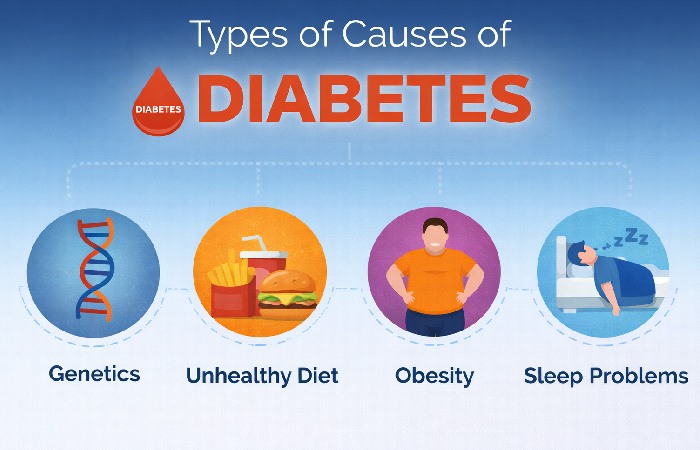
Diabetes can develop due to a variety of causes, which are generally categorized based on how they affect insulin production or action. Understanding the causes helps prevent, diagnose early, and manage. Broadly, the causes can be classified into genetic, lifestyle, autoimmune, and secondary factors.
| Type of Cause | Examples / Description |
| Genetic Factors | Family history of diabetes; specific gene mutations affecting insulin production or function. |
| Autoimmune Causes | Type 1 diabetes occurs when the immune system attacks insulin-producing pancreatic cells. |
| Lifestyle Factors | Poor diet (high sugar/refined carbs), obesity, and physical inactivity lead to insulin resistance. |
| Hormonal / Pregnancy | Gestational diabetes is caused by hormonal changes during pregnancy that affect insulin use. |
| Secondary Causes | Other diseases (e.g., pancreatitis, Cushing’s syndrome), medications (e.g., steroids), or hormonal disorders affecting blood sugar. |
| Age & Ethnicity | Older age and certain ethnic backgrounds (e.g., South Asian, African American, Hispanic) increase risk. |
Foods That Can Cause Diabetes
While no single food directly “causes” diabetes, certain dietary habits over time can increase the risk, especially for type 2 diabetes. Diets high in refined sugars, unhealthy fats, and processed foods can lead to obesity and insulin resistance, which are major contributors to developing diabetes. Eating a balanced diet and maintaining a healthy weight are key to reducing risk.
Sugary Beverages: Soda, sweetened juices, and energy drinks cause rapid blood sugar spikes.
Refined Carbohydrates: White bread, white rice, pastries, and other processed grains can lead to insulin resistance.
Trans Fats and Fried Foods: Packaged snacks, fast food, and deep-fried items contribute to obesity and metabolic problems.
High-Fat Dairy Products: Full-fat milk, cheese, and cream may worsen insulin sensitivity when consumed in excess.
Processed Meats: Sausages, bacon, and deli meats are linked to a higher risk of type 2 diabetes.
Excess Alcohol: Heavy drinking can affect glucose regulation and increase the risk of diabetes.
What else can Cause Diabetes?
Besides the common causes of type 1 and type 2 diabetes, several additional factors can contribute to the development of diabetes. These causes may affect insulin production, insulin action, or overall glucose metabolism. Being aware of these factors helps in prevention and early detection.
Certain Medications: Long-term use of steroids, some antipsychotics, and immunosuppressive drugs can impair insulin function.
Pancreatic Diseases: Conditions like pancreatitis, pancreatic cancer, or surgical removal of the pancreas can reduce insulin production.
Hormonal Disorders: Cushing’s syndrome, acromegaly, and other endocrine disorders can increase blood sugar levels.
Genetic Mutations: Rare forms, such as MODY (Maturity-Onset Diabetes of the Young), result from specific gene defects that affect insulin secretion.
Infections or Illnesses: Severe viral infections may trigger autoimmune reactions leading to type 1 diabetes.
Stress and Illness: Chronic stress, trauma, or critical illnesses can temporarily increase blood sugar and sometimes trigger diabetes in predisposed individuals.
Gestational Diabetes History: Women who have had gestational diabetes are at higher risk of developing type 2 diabetes later.
Clinical Trials for Symptoms and Causes of Diabetes
Clinical trials are research studies in people designed to improve understanding of diabetes, its symptoms, progression, and potential treatments or preventative strategies. These studies help test new medicines, technologies, lifestyle interventions, diagnostics, and approaches to slow or stop the development of diabetes and related symptoms.
| Trial / Study Name | Focus / Objective | What It Tests |
| TrialNet (Type 1) | Prevent or delay the onset of type 1 diabetes in high‑risk individuals | Immune‑based and prevention strategies for the early stages of T1D. |
| GRADE (Type 2) | Compare the effectiveness of diabetes drugs | Which medication combinations manage blood glucose best with the fewest side effects? |
| RISE (Restoring Insulin Secretion) | Examine whether aggressive blood sugar lowering can help restore pancreatic function. | Early type 2 and prediabetes: effects on insulin secretion. |
| Biobank & Pancreas Condition Study | Understand diabetes and pancreatic disease relationships | Biobank of blood samples to study risk factors for diabetes. |
| Ox Bile‑Conjugated Bile Acids in T2D | Improve insulin sensitivity and post‑meal glucose regulation | Effects on glucose levels, body weight, and hormone response. |
| Semaglutide vs. Placebo in T2D with Kidney Disease | Evaluate if semaglutide slows kidney disease progression | Effects of diabetes medication on chronic kidney disease. |
| Hybrid Closed Loop Insulin System Trials | Test artificial pancreas technology | Automated insulin delivery at home for better glucose control. |
| Dietary Interventions in Prediabetes | Assess how diet affects the risk of diabetes | Effects of varied dietary patterns on glucose metabolism |
Conclusion
Diabetes is a complex condition influenced by a combination of genetic, lifestyle, autoimmune, and environmental factors. Understanding the causes, types, symptoms, and potential complications is essential for effective prevention and management. While autoimmune and genetic factors largely drive type 1 diabetes, type 2 diabetes is often linked to lifestyle habits and metabolic health.
Early detection, regular monitoring, healthy eating, physical activity, and appropriate medical treatment can significantly reduce risks and improve quality of life for individuals with diabetes. Awareness and proactive care remain the most effective strategies in managing this chronic condition.